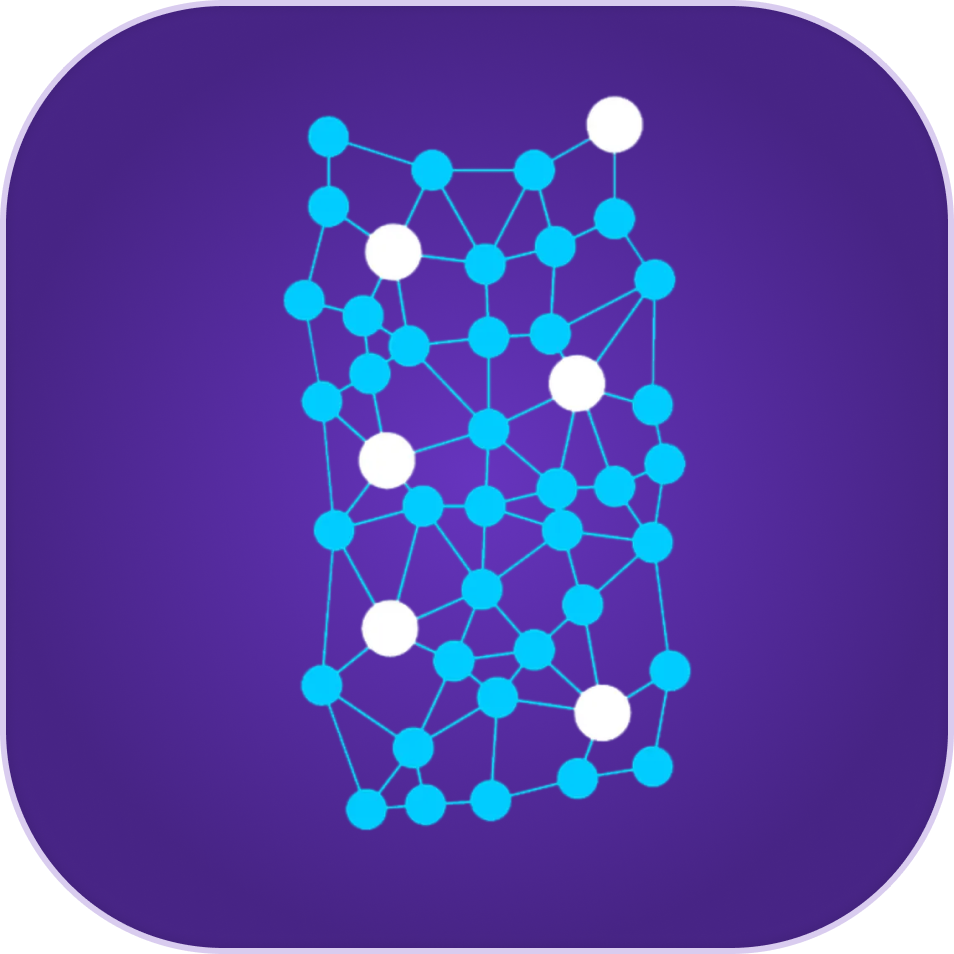
When everyone in your organization can click “translate”, governance cannot live in a single tool. Distributed Governance extends guardrails to the edges and keeps visibility at the core. Blackbird and Blacklake give you a governance layer that spans tools, teams, and AI models, so AI-native localization stays safe, consistent, and auditable.
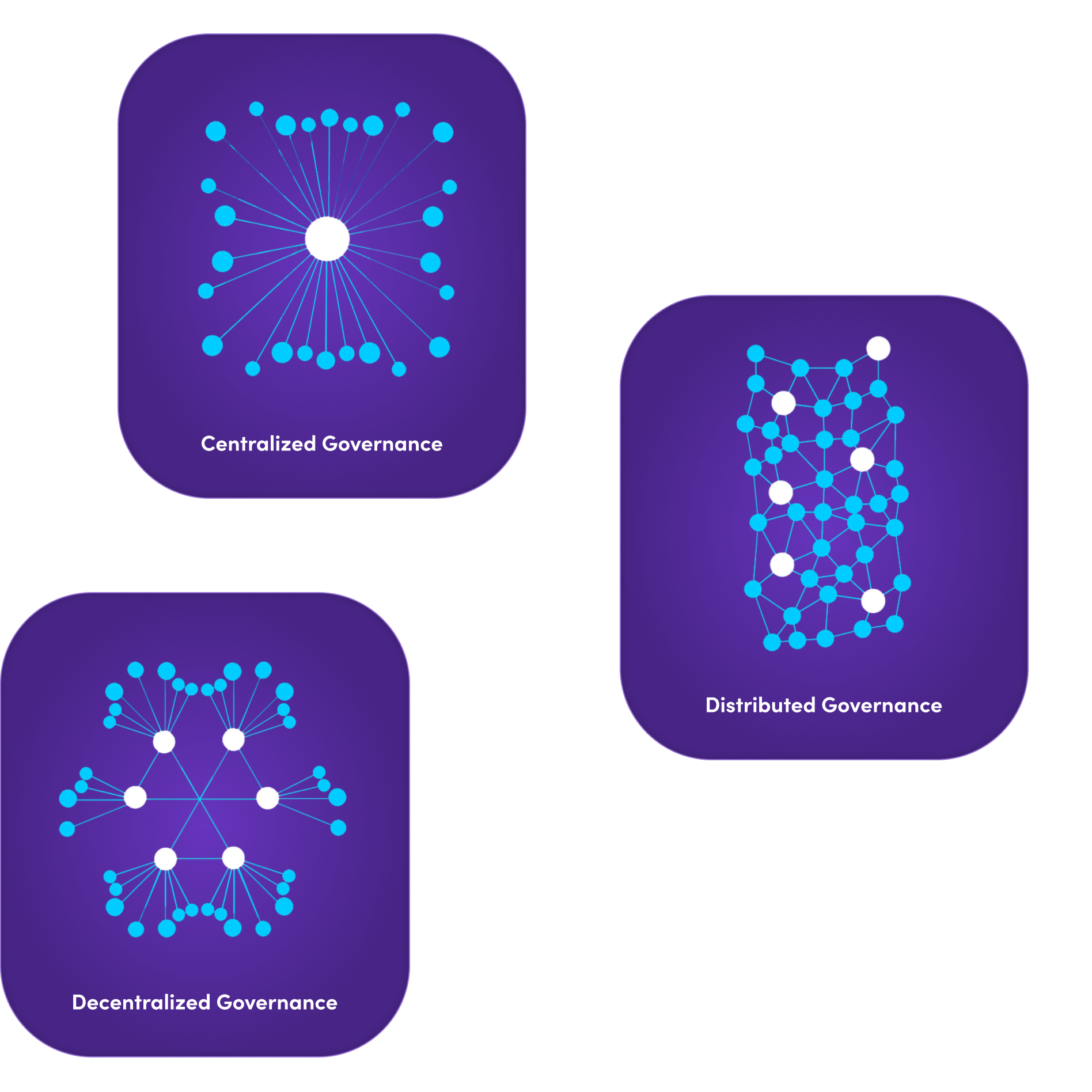
For decades, global organizations experimented with two main governance models in localization and multilingual content operations.
First came Centralized Governance: a single Translation Management System (TMS) as the official source of truth, and the exclusive place to create multilingual content. It delivered control and structure, but also created bottlenecks, rigid processes, and slow response times.
As scale and complexity increased, many teams moved to Decentralized Governance. Product, marketing, and regional teams built their own stacks and workflows. They gained autonomy and speed, but paid for it with fragmentation, duplicated effort, inconsistent quality, and an explosion of vendors managed directly by business units.
Now we are in the AI everywhere era. Anyone in the organization can generate or translate content using generative AI tools, browser extensions, CMS plugins, and design tools. Multilingual experiences are created in every corner of the business, often by people with no localization training and no shared governance framework.
Shadow Globalization is here. Distributed Governance accepts that AI has democratized language, keeps creativity at the edges, and rebuilds accountability, visibility, and guardrails at the core.
Our mission is to provide the governance layer for AI-native localization. Instead of forcing everyone into a single Translation Management System, Blackbird and Blacklake bring Distributed Governance to the tools teams already use. They orchestrate content and context, govern the underlying data and memory, and extend consistent guardrails across languages, formats, and platforms without slowing anyone down.
Distributed Governance is what makes AI accelerated localization safe, scalable, and aligned with brand, compliance, and customer expectations. Blackbird provides distributed orchestration with Checkpoints and workflow guardrails. Blacklake provides unified memory, analytics, policy enforcement, and provenance. Together, they give you consistency at scale, autonomy at the edges, and visibility at the core.
Discovery Call
